The Integrated Kitchen: A Harmonious Blend of Functionality and Aesthetics
In today's fast-paced world, the kitchen has actually evolved from a mere cooking area to a multifunctional center that harmonizes with the overall flow of the home. The integrated kitchen idea is at the forefront of this transformation, integrating aesthetic appeals with performance. This article explores the principles of integrated cooking areas, their benefits, and vital design components, guaranteeing you understand what makes this contemporary kitchen layout so attractive.
What Is an Integrated Kitchen?
An integrated kitchen is designed to effortlessly blend with the other living spaces in a home, avoiding the conventional separation of the kitchen from the living and dining locations. This method stresses open floor plans, efficient usage of area, and cohesive style to produce a unified appearance.
Key Features of an Integrated Kitchen
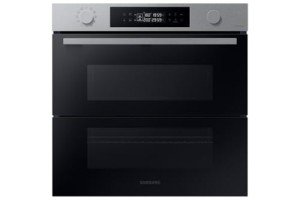
- Open Layout: The considerable feature of an integrated kitchen is its openness. built in double gas oven and hob packages between the kitchen, dining, and living locations are typically eliminated to create a free-flowing area.
- Unified Design Aesthetics: The design of an integrated kitchen frequently reflects the style of the adjacent areas. built in double oven and hob packages can match the living-room furnishings, and color pattern can be collaborated for an unified appearance.
- Functional Zones: While it is open, an integrated kitchen still keeps functional zones-- cooking, preparing, and dining-- to guarantee usability.
- Smart Storage Solutions: Integrated kitchens utilize smart storage alternatives like pull-out cabinets, hidden appliances, and built-in shelving to keep mess at bay.
- Multi-Use Furniture: Island counter tops, for instance, are not simply for prep work however can act as dining surfaces or communal spaces.
Advantages of an Integrated Kitchen
The combination of cooking areas comes up with various advantages:
| Benefit | Description |
|---|---|
| Area Optimization | Makes the most of using offered space, specifically in smaller sized homes. |
| Improved Social Interaction | Fosters interaction and interaction amongst member of the family while cooking, dining, or entertaining. |
| Increased Natural Light | An open design permits for much better light circulation, making the area feel larger and brighter. |
| Visual Appeal | Produces a more visually attractive living area with a cohesive style. |
| Increased Home Value | Modern, elegant integrated cooking areas can substantially improve a property's market price. |
Design Elements to Consider
For property owners wanting to produce an integrated kitchen, numerous elements must be carefully considered:
- Color Scheme: Choose a color scheme that flows throughout the home. Neutral colors are flexible and tend to blend well.
- Floor covering: Use consistent floor covering product. Flow from the kitchen to the living room can be improved by matching tiles or hardwood.
- Lighting: Incorporate layered lighting, consisting of ambient, task, and accent lighting to improve functionality and aesthetics.
- Appliances: Select built-in or panel-ready appliances to preserve a smooth appearance.
- Island or Peninsula: Consider setting up an island or peninsula that can serve several purposes-- cooking, dining, and socializing.
Sustainable Practices in Integrated Kitchens
As sustainability becomes a growing concern, incorporating environmentally friendly practices into kitchen design can be advantageous. Here are some pointers:
- Energy-Efficient Appliances: Invest in ENERGY STAR-rated appliances to lower energy usage.
- Sustainable Materials: Opt for cabinets made from recovered wood or bamboo, both environment-friendly and trendy.
- Low-Flow Fixtures: Use water-saving faucets and fixtures to promote water conservation.
- Recycling Stations: Designate spaces for recycling and composting to motivate sustainable living.
FAQs About Integrated Kitchens
What is the average cost of an integrated kitchen?
The expense of an integrated kitchen differs widely, depending on size, materials, and intricacy. Typically, house owners can anticipate to spend between ₤ 20,000 and ₤ 50,000.
How do I ensure proper ventilation in an integrated kitchen?
Correct ventilation can be accomplished through effective range hoods, windows, and the strategic positioning of exhaust fans to eliminate cooking smells efficiently without interfering with the open circulation of space.
Can integrated kitchens operate in little homes?
Absolutely. Integrated kitchen areas can make small spaces feel bigger and more inviting by breaking down walls and enabling flexible designs.
What design style fits an integrated kitchen best?
Integrated kitchen areas can fit a range of designs, including contemporary, modern, and rustic designs. The secret is to preserve a cohesive visual throughout the open area.
Are integrated kitchen areas more expensive than traditional kitchens?
The overall cost depends on different factors, consisting of style choices and products utilized. Frequently, integrated designs can be attained within a similar budget, specifically when considering the worth they add to a residential or commercial property.
An integrated kitchen exhibits the advancement of living spaces in modern-day homes, merging visual appeals with functionality. By allowing open layouts, cultivating social interaction, and making use of wise storage, these kitchens offer a desirable environment for cooking, entertaining, and household bonding. As more house owners acknowledge the many advantages of an integrated kitchen, this style trend is likely to continue growing in appeal, improving the way we believe about our most crucial space.